
 ★ 8.2
Postman
Every film here turns on something sent: a letter, a parcel, a telegram, a message in a bottle. This guide sorts 150 of them into ten pigeonholes, from postmen, couriers and delivery riders to love letters, pen pals and the novels told in letters, and on to poison pens, chain letters and messages from far away, with synopses, cast and where to watch.
The sorting office
PostmanPostmen and post offices
Open the bag (14)★ 8.2 ★ 6.7
 ★ 7.4
 ★ 6.7
 ★ 7.9
 ★ 6.3
 ★ 7.3
 ★ 6.7
 ★ 7.1
 ★ 6.8
 ★ 5.5
 ★ 7.1
CourierCouriers and riders
Open the bag (16)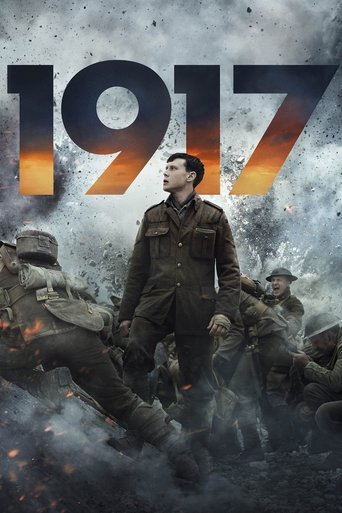 ★ 8.0
 ★ 6.4
 ★ 6.7
 ★ 6.3
 ★ 6.2
 ★ 6.4
 ★ 5.8
 ★ 7.3
 ★ 7.0
 ★ 6.9
 ★ 6.0
 ★ 7.1
DeliveryDeliveries and parcels
Open the bag (12) ★ 7.3
 ★ 7.7
 ★ 7.8
 ★ 6.7
 ★ 6.7
 ★ 5.6
 ★ 5.8
 ★ 6.6
 ★ 5.8
 ★ 6.0
 ★ 5.3
 ★ 5.9
Love letterLove letters
Open the bag (18)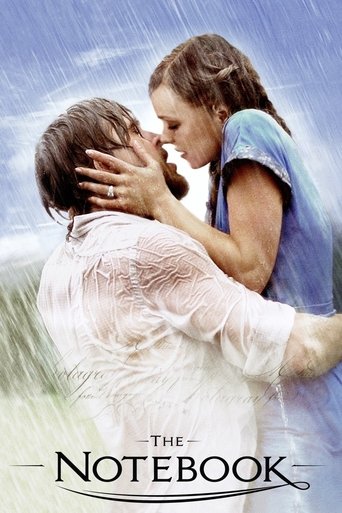 ★ 7.9
 ★ 7.6
 ★ 7.8
 ★ 6.8
 ★ 7.2
 ★ 7.0
 ★ 6.8
 ★ 7.7
 ★ 7.5
 ★ 7.1
 ★ 7.3
 ★ 6.4
Pen palPen pals and strangers
Open the bag (17)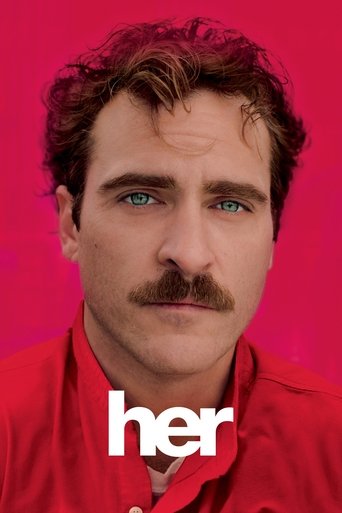 ★ 7.8
 ★ 7.7
 ★ 6.7
 ★ 6.6
 ★ 7.0
 ★ 6.7
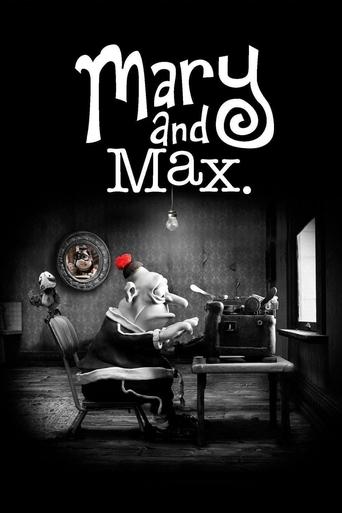 ★ 7.9
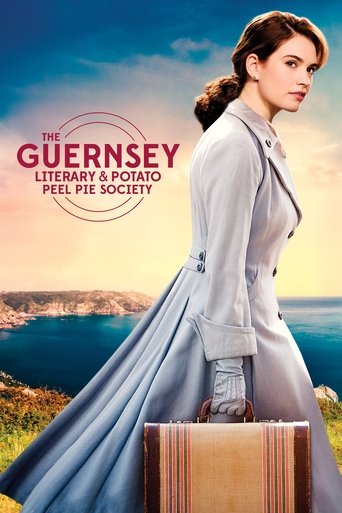 ★ 7.4
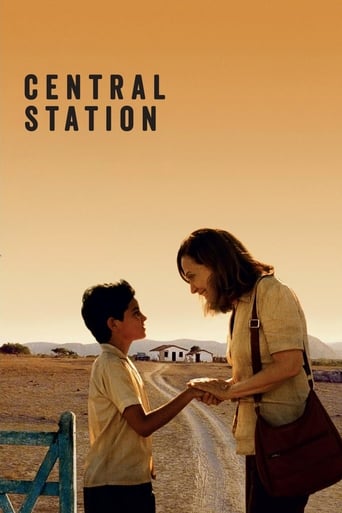 ★ 8.1
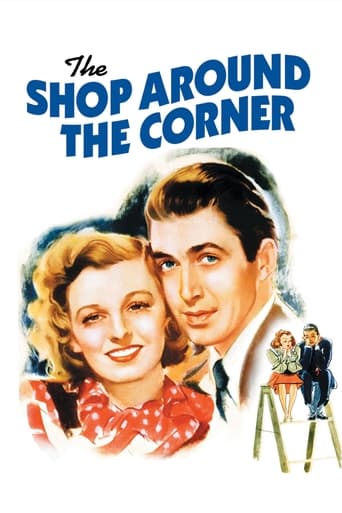 ★ 8.1
 ★ 7.4
 ★ 6.8
LetterLetters that change lives
Open the bag (18)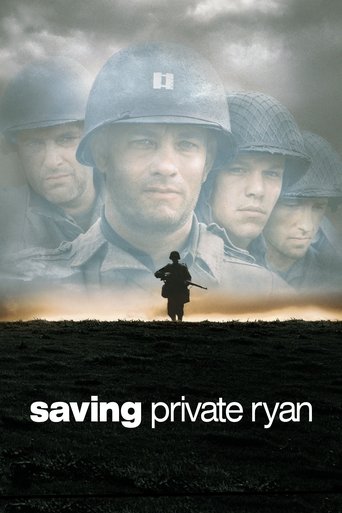 ★ 8.2
 ★ 7.2
 ★ 7.6
 ★ 7.6
 ★ 6.7
 ★ 8.0
 ★ 7.5
 ★ 7.7
 ★ 6.9
 ★ 7.3
 ★ 7.2
 ★ 8.3
EpistolaryThe epistolary classics
Open the bag (13) ★ 7.4
 ★ 6.8
 ★ 7.2
 ★ 7.4
 ★ 6.1
 ★ 7.8
 ★ 6.7
 ★ 7.3
 ★ 6.9
 ★ 7.5
 ★ 7.2
 ★ 6.4
Poison penPoison pens
Open the bag (14)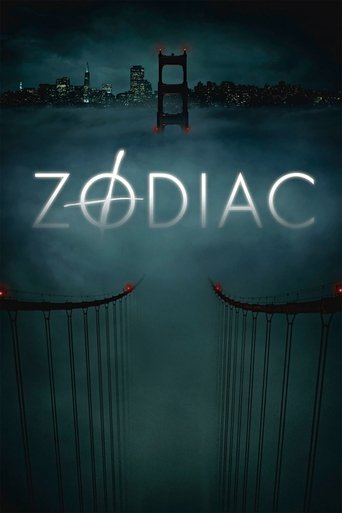 ★ 7.5
 ★ 6.0
 ★ 8.0
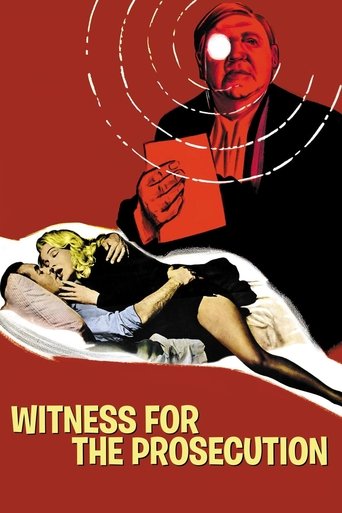 ★ 8.2
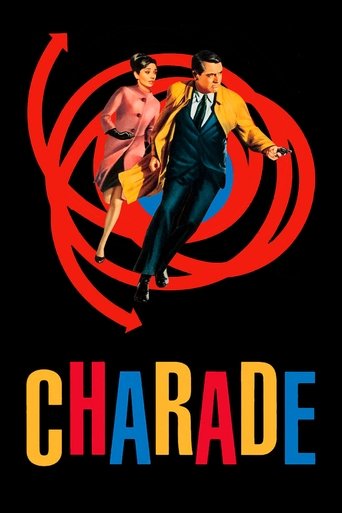 ★ 7.7
 ★ 7.2
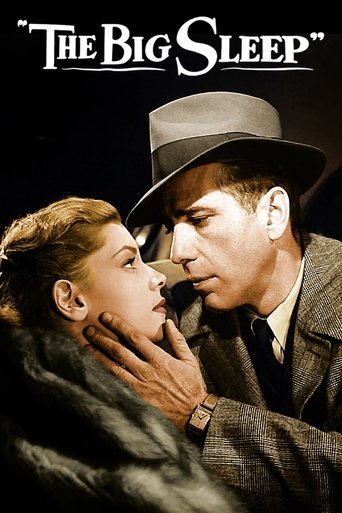 ★ 7.6
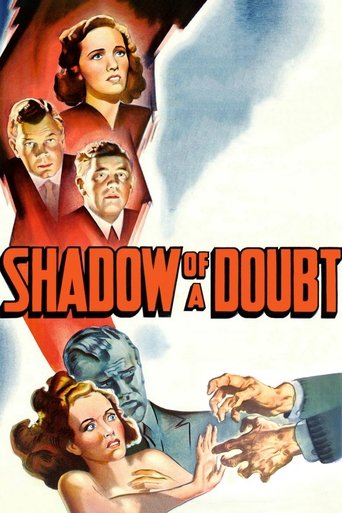 ★ 7.5
 ★ 7.1
 ★ 6.9
 ★ 7.5
 ★ 7.5
Chain letterChain letters and curses
Open the bag (12)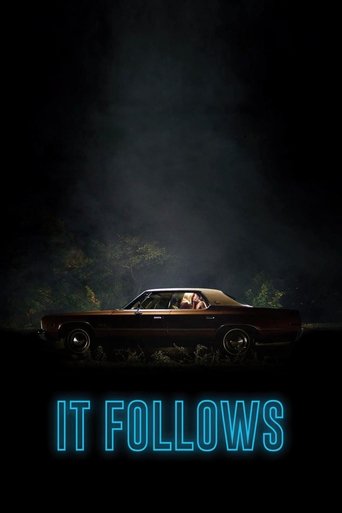 ★ 6.6
 ★ 6.7
 ★ 6.9
 ★ 6.7
 ★ 5.6
 ★ 6.7
 ★ 7.1
 ★ 6.5
 ★ 5.2
 ★ 6.7
 ★ 6.2
 ★ 4.4
MessageMessages from far away
Open the bag (16) ★ 8.5
 ★ 7.6
 ★ 7.6
 ★ 7.2
 ★ 6.3
 ★ 7.5
 ★ 7.3
 ★ 5.9
 ★ 6.8
 ★ 7.4
 ★ 6.3
 ★ 7.5
The Postman guide
Postman: films of mail, letters and messages
Delivered by hand
Cinema has always loved the mail. A letter is a perfect device for a story: it travels while the characters wait, it can arrive too late or fall into the wrong hands, it can be read aloud over images of the person who wrote it, and it can say what is too hard to say face to face. A parcel can hold a fortune or a bomb, a telegram can carry the worst news of a war, and a postman can cross a whole town, or a whole ruined country, carrying the threads that hold people together. Postman is a guide to the films that turn on that simple act of sending and receiving. It gathers 150 films, from The Shop Around the Corner, of 1940, to Wicked Little Letters, of 2024, each with its English synopsis, its cast, its director and a Watch now button that opens it on JustWatch.
The 150 films are sorted into ten pigeonholes, in three families. The carriers follows the people who carry the mail: postmen and post offices, couriers and riders, and the drivers who deliver pizzas and parcels. Dear reader opens the letters themselves: love letters, pen pals and strangers who meet through the mail, letters that change a life, and the classics told in letters, from Dangerous Liaisons to Dracula. And Dark mail turns to the shadow side: mysteries solved or started by a letter, curses passed on like chain letters, and messages that come from very far away, from the bottom of the sea, from the past or from the stars. The guide The sorting office explains the idea, and the guide Start with Postman picks one film from each family.
The 150 films carry about 435,000 votes on TMDB, with an average rating of 6.92, and eleven of them reach 8 or more, from Interstellar, at 8.5, the most voted and best rated film of the guide, to Klaus, the animated tale of a reluctant postman, at 8.2. Most are from the last three decades, but nineteen were made before 1960, and 31 are in other languages than English, from French and Japanese to Korean, Polish and Hindi.
The look of Postman
The name Postman left only quiet traces in the archive. The Wayback Machine keeps parked and for-sale pages at postman.cc and postman.me, an empty page of 2001 at postman.tv, and an e-mail and SMS service in Russian at postman.su, so the look of this guide is an original design built from the idea of the post office itself. The page is the colour of a kraft envelope. The header is postal navy, edged at the bottom with the red, white and blue diagonal stripes of an airmail envelope, and the logo is a round postmark around a small envelope. The introduction sits on a sheet of lined letter paper, with a faint red postmark stamped in its corner.
The ten pigeonholes form the board of the home page, called the sorting office: a frame of warm wood with ten dark slots, one per pigeonhole, each labelled with its family, its name and its number of films. Each shelf is a sheet of paper with a small postmark before its title and a red button, Open the bag, that opens the whole pigeonhole. The posters are framed like postage stamps, with a white border and a dashed perforation, and each carries a navy tag with the name of its pigeonhole, from Postman to Message. The guide The look of Postman describes each element.
How the pigeonholes work
The films were chosen by hand from the TMDB films tagged with keywords of the mail, such as postman, mailman, post office, courier, delivery, letter, love letter, pen pals, epistolary film, message in a bottle, telegram, e-mail and time capsule, keeping only the films in which the mail really matters to the story, and adding a few where it clearly does but the keyword is missing, from Cast Away to The Lunchbox. Each film sits in exactly one pigeonhole, chosen for the role the mail plays in it: a film about a man who carries letters goes to the postmen even when it is also a love story, and a film in which a letter starts a murder goes to the mysteries even when it is also a romance.
The pigeonholes have different sizes, from twelve films for deliveries and for chain letters to eighteen for love letters and for letters that change lives, because the mail plays a larger part in some genres than in others. Within each pigeonhole the films are ordered by votes, the most voted first. The guide How the pigeonholes work sums up the rules.
The carriers
The first family, The carriers, follows the people who carry the mail, from the village postman on his bicycle to the bike messenger weaving through Manhattan and the driver racing to deliver a pizza in thirty minutes. Its 42 films hold about 108,000 votes, with an average of 6.6, and the guide The carriers sums it up.
Postmen and post offices
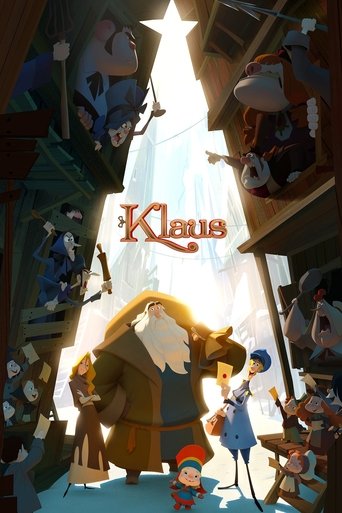
The pigeonhole Postmen and post offices holds fourteen films from 1946 to 2019. Its most voted and best rated film is Klaus, of 2019, by Sergio Pablos, with an 8.2: a spoiled young postman is sent to a frozen island town where the families have been feuding for generations, and to raise the number of letters he must deliver he befriends a reclusive toymaker, inventing the legend of Santa Claus along the way. The hand-drawn look of the film, lit like a computer-animated one, won the BAFTA for best animated film.
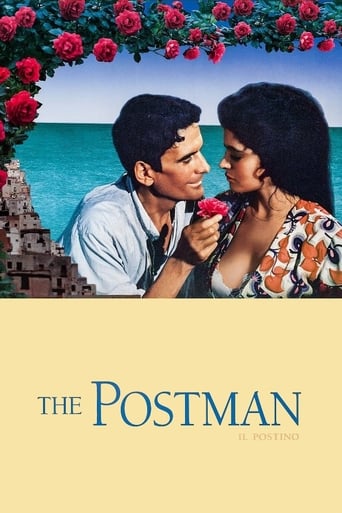
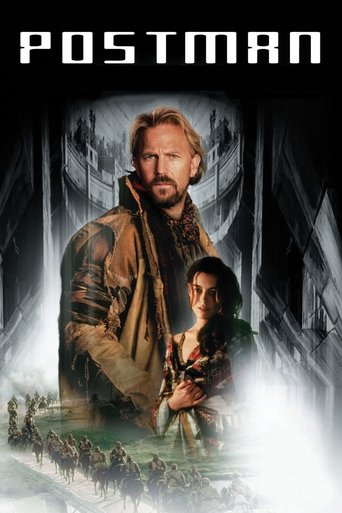
Two famous postmen are here twice under the same title. The Postman of 1994, by Michael Radford, the Italian film known as Il Postino, with a 7.9, is the story of a shy island postman whose only customer is the exiled poet Pablo Neruda, played by Philippe Noiret; Neruda teaches him metaphors, and he uses them to win the woman he loves. Its star, Massimo Troisi, died the day after the filming ended. The Postman of 1997, directed by and starring Kevin Costner, is the opposite in every way: a drifter in a ruined America of the future puts on the uniform of a dead mail carrier and, by pretending that the postal service still exists, gives the survivors hope; at 178 minutes, it is the longest film of the guide.
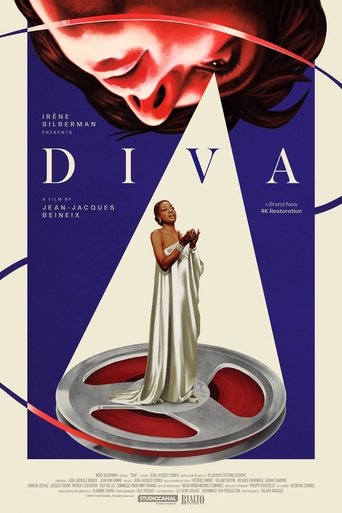
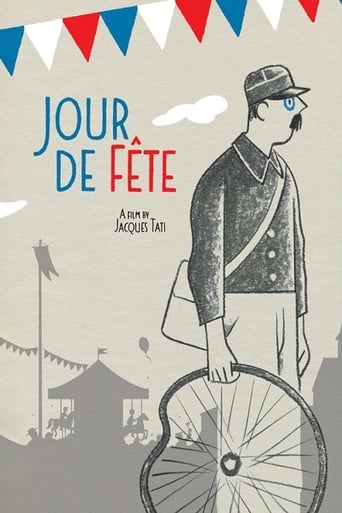
France gives the pigeonhole its comedies of the post office. Jacques Tati made School for Postmen, a short of 1946, and then the feature Jour de fête, of 1949, in which a village postman, after seeing a film about the speed of the American mail, tries to deliver his letters at a racing pace; Welcome to the Sticks, of 2008, by Dany Boon, sends a post office manager from the sunny south to a small town of the far north, where he expects misery and finds friendship, and it became one of the biggest hits in the history of French cinema; its Italian remake, Welcome to the South, of 2010, reverses the journey. In Diva, of 1981, by Jean-Jacques Beineix, a young Paris postman secretly records an opera singer and finds himself chased by gangsters.
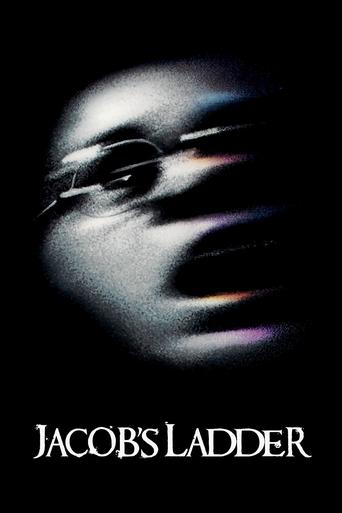
The rest of the pigeonhole shows the postman in every genre. Sorry We Missed You, of 2019, by Ken Loach, follows a delivery driver in Newcastle crushed by the rules of the parcel economy; in Jacob's Ladder, of 1990, by Adrian Lyne, Tim Robbins plays a postal worker and Vietnam veteran haunted by visions; in The Minus Man, of 1999, Owen Wilson is a quiet drifter who takes a job at a small-town post office. Letters to God, of 2010, tells of a sick boy who writes letters to God and of the postman who has to decide what to do with them; Postman Pat: The Movie, of 2014, takes the postman of the British children's series to a television talent show; and Pony Express, of 1953, with Charlton Heston as Buffalo Bill, rides with the mail across the American West of 1860.
Couriers and riders
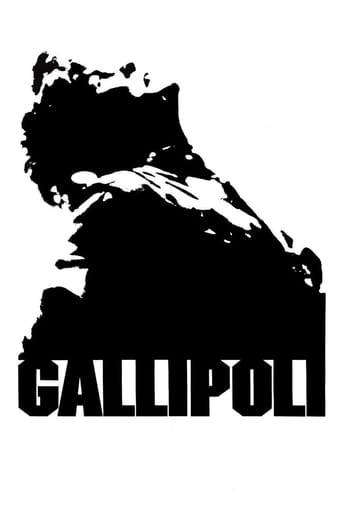
The pigeonhole Couriers and riders holds sixteen films from 1981 to 2020 about the people who carry one precious thing from one place to another. Its most voted and best rated film is 1917, of 2019, by Sam Mendes, with an 8.0: two young British soldiers must cross the deadly ground between the trenches and the enemy lines to deliver an order that will stop an attack, in a film made to look like a single continuous shot. Peter Weir's Gallipoli, of 1981, with Mel Gibson, also follows two runners in the First World War, and its ending turns on a message that arrives a few minutes too late.
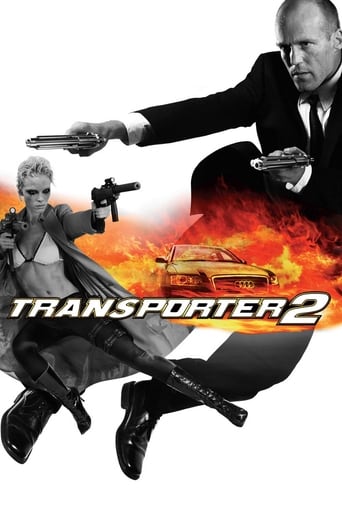
The modern couriers are bikers and drivers. Jason Statham is Frank Martin, the driver who delivers any package as long as his three rules are kept, in The Transporter, of 2002, and its two sequels, of 2005 and 2008; Joseph Gordon-Levitt rides a fixed-gear bike through Manhattan with a dangerous envelope in Premium Rush, of 2012, by David Koepp; Kevin Bacon swaps the stock exchange for a messenger bag in Quicksilver, of 1986; and Alicia Vikander's Lara Croft is a bike courier in London at the start of Tomb Raider, of 2018. In Beijing Bicycle, of 2001, by Wang Xiaoshuai, a young courier from the country has his bicycle stolen, and with it his job, and in Suzhou River, of 2000, by Lou Ye, a motorbike courier in Shanghai falls for a girl he is paid to deliver.
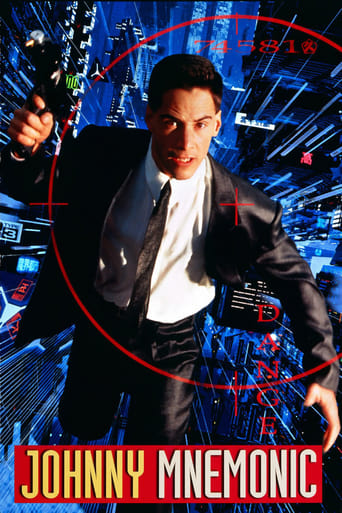
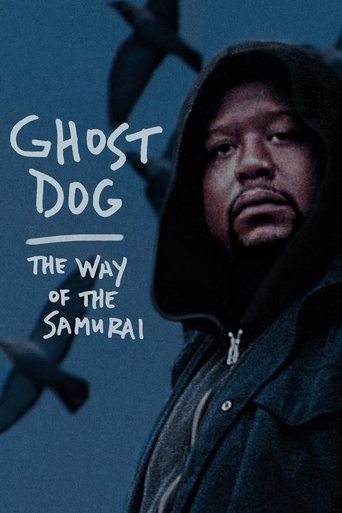
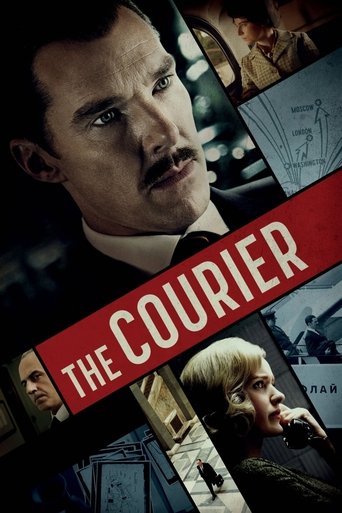
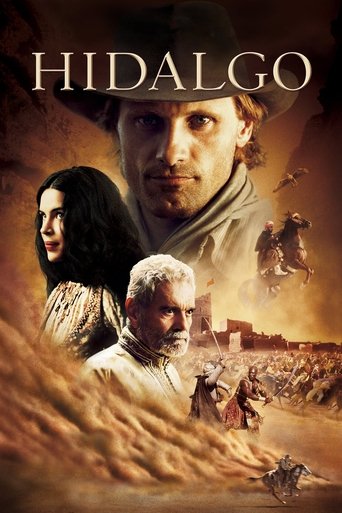
The strangest couriers carry secrets. In Johnny Mnemonic, of 1995, from a story by William Gibson, Keanu Reeves carries data in an implant in his brain; in Ghost Dog: The Way of the Samurai, of 1999, by Jim Jarmusch, Forest Whitaker plays a hitman who lives by the code of the samurai and receives his orders by carrier pigeon. The Courier, of 2020, by Dominic Cooke, with Benedict Cumberbatch, is the true story of Greville Wynne, a British businessman who carried Soviet secrets to the West during the Cold War, and the courier of 2019 with Olga Kurylenko and Gary Oldman is an action film about a package and a witness. Hidalgo, of 2004, with Viggo Mortensen as a former dispatch rider who enters a race across the Arabian desert, and The Package, of 2013, with Steve Austin and Dolph Lundgren, complete the pigeonhole.
Deliveries and parcels
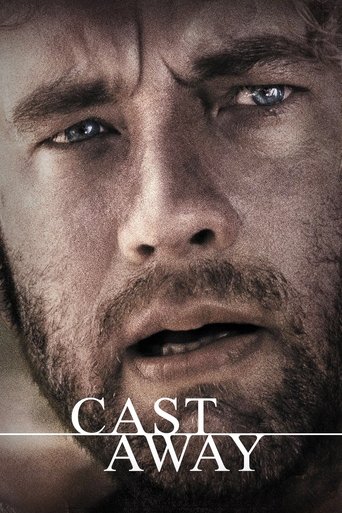
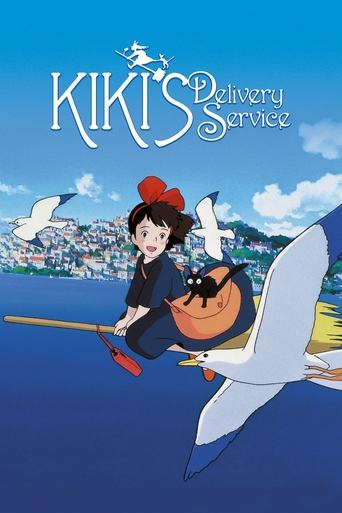
The pigeonhole Deliveries and parcels holds twelve films from 1989 to 2023. Its most voted film is Spider-Man 2, of 2004, by Sam Raimi, in which Peter Parker loses his job as a pizza delivery boy because saving New York keeps making him late. Its best rated is the Japanese animated film of 1989 by Hayao Miyazaki in which a young witch of thirteen leaves home and starts a flying delivery service on her broomstick, with a 7.8, followed by Cast Away, of 2000, by Robert Zemeckis, with a 7.7, in which Tom Hanks, a FedEx engineer obsessed with time, is stranded on an island with a handful of parcels; he opens all of them but one, and delivers that one at the end.
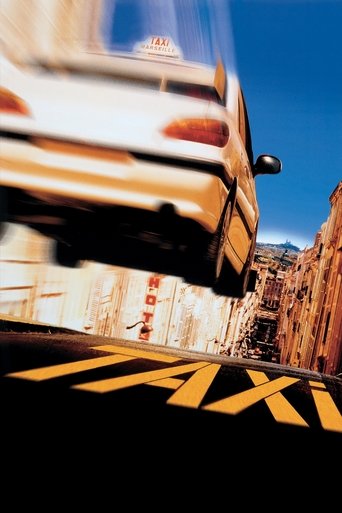
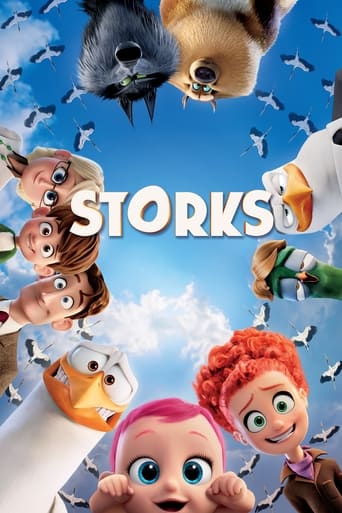
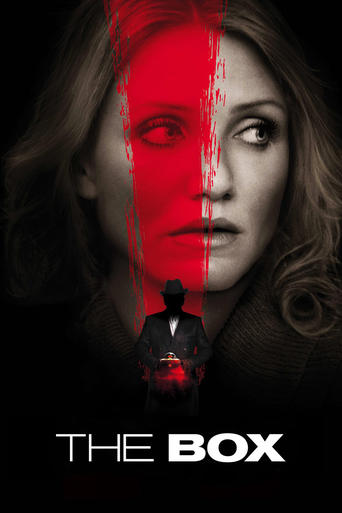
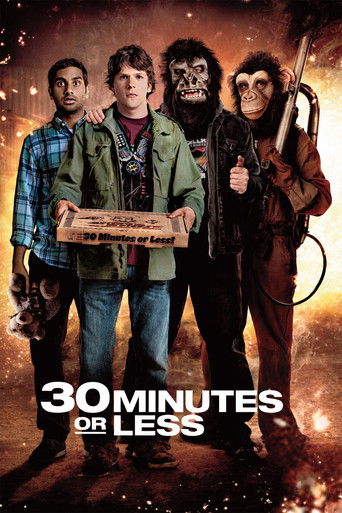
The pizza is the other great delivery of the pigeonhole. In 30 Minutes or Less, of 2011, by Ruben Fleischer, a pizza delivery guy is strapped to a bomb and forced to rob a bank; in Loverboy, of 1989, Patrick Dempsey delivers pizzas and romance to the lonely wives of Beverly Hills; in Satanic Panic, of 2019, a delivery girl on her first day brings a pizza to a coven of devil worshippers; and in Taxi, of 1998, written by Luc Besson, a former pizza delivery driver turns his taxi into the fastest car in Marseille. Storks, of 2016, imagines that the storks have stopped delivering babies and work for an online store, until a baby is made by mistake; The Box, of 2009, by Richard Kelly, with Cameron Diaz, begins with a box left on a doorstep and an offer of a million dollars. Emily the Criminal, of 2022, with Aubrey Plaza as a food delivery worker drawn into credit card fraud, the dark comedy of 2023 with Jon Hamm and Tina Fey, and Delivery by Christmas, a Polish Christmas comedy of 2022, complete it.
Dear reader
The second family, Dear reader, is the largest of the guide, with 66 films, about 167,000 votes and the best average of the three families, 7.16. It opens the letters themselves: the love letter, the letter between strangers, the letter that changes a life and the novel told entirely in letters. The guide Dear reader sums it up.
Love letters
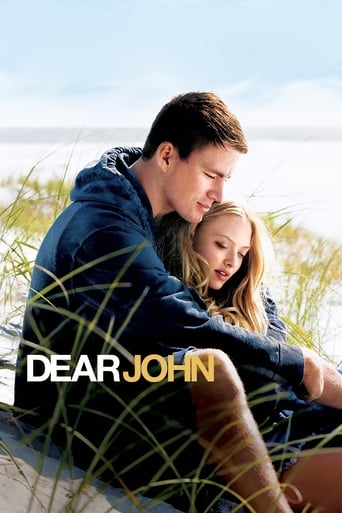
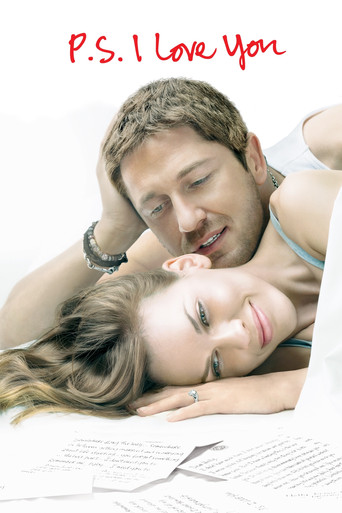
The pigeonhole Love letters holds eighteen films from 1985 to 2021. Its most voted and best rated film is The Notebook, of 2004, by Nick Cassavetes, with Ryan Gosling and Rachel McAdams, with a 7.9: a young man writes to the girl he loves every day for a year, and the letters, hidden by her mother, reach her only years later. The novelist Nicholas Sparks, who wrote it, also wrote Dear John, of 2010, by Lasse Hallström, a love story kept alive by letters between a soldier and a student, and Message in a Bottle, in the third family. In P.S. I Love You, of 2007, Hilary Swank receives a series of letters written by her husband before his death, each one telling her what to do next.
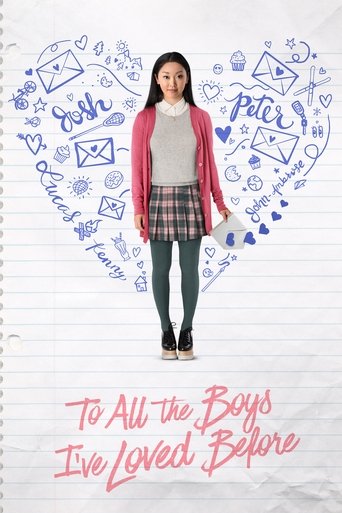
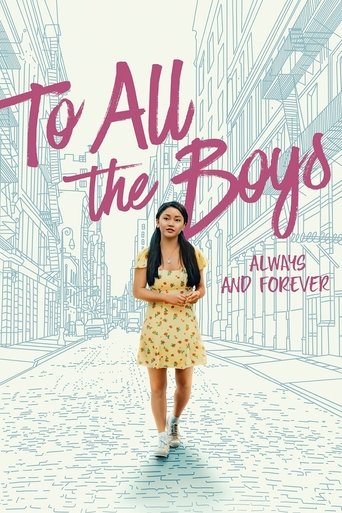
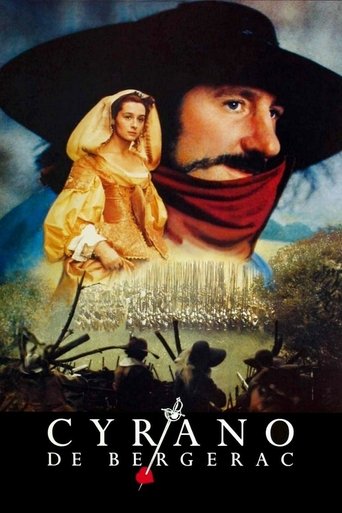
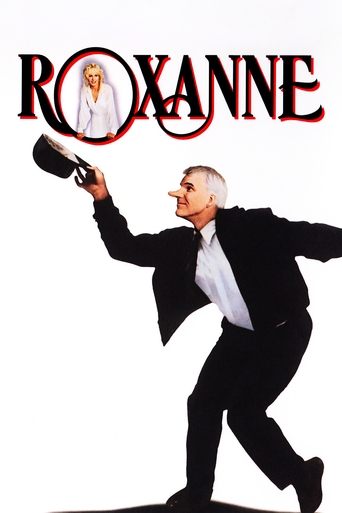
The love letter is also the engine of the teenage romance. The trilogy that began with To All the Boys I've Loved Before, of 2018, with Lana Condor and Noah Centineo, starts when the five secret letters a girl wrote to her crushes are mailed by mistake; The Half of It, of 2020, by Alice Wu, is a modern Cyrano in which a shy student writes love letters for a football player to the girl she secretly loves herself. The original Cyrano is here three times: Cyrano de Bergerac, of 1990, by Jean-Paul Rappeneau, with Gérard Depardieu as the poet with a long nose who writes the letters of a handsomer rival; Roxanne, of 1987, with Steve Martin as a small-town fire chief; and Cyrano, of 2021, by Joe Wright, a musical with Peter Dinklage.
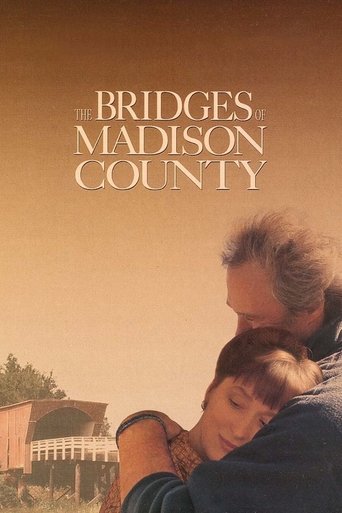
The letters of the past are the other great theme. In Letters to Juliet, of 2010, Amanda Seyfried joins the volunteers who answer the letters left for Juliet in Verona and finds one written fifty years earlier; in The Last Letter from Your Lover, of 2021, from the novel by Jojo Moyes, a journalist finds a love letter of the 1960s in a newspaper archive; in The Bridges of Madison County, of 1995, by and with Clint Eastwood, with Meryl Streep, two grown children discover the story of their mother's four days of love through the letters and journals she left. Love in the Time of Cholera, of 2007, from Gabriel García Márquez, is the story of a man who waits more than fifty years for the woman of his letters, and Love, Rosie, of 2014, of two friends who write to each other across twelve years. The Japanese Love Letter, of 1995, by Shunji Iwai, with a 7.8, begins when a young widow writes to the old address of her dead fiancé and, to her astonishment, receives an answer. Secret Admirer, of 1985, and the bookshop comedy of 1999 with Kate Capshaw turn on anonymous love letters that reach the wrong reader.
Pen pals and strangers
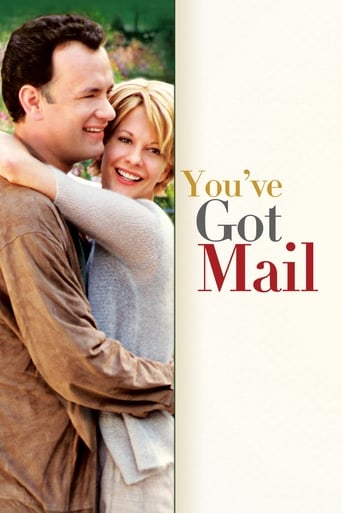
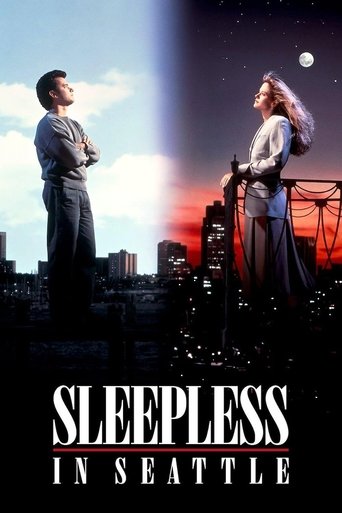
The pigeonhole Pen pals and strangers holds seventeen films from 1940 to 2018 about people who meet through the mail. Its most voted film is Her, of 2013, by Spike Jonze, with Joaquin Phoenix as a man who writes personal letters for other people at a company in a future Los Angeles, and who falls in love with the voice of his computer; it won the Academy Award for its screenplay. The best rated films are two, level at 8.1. The Shop Around the Corner, of 1940, by Ernst Lubitsch, with James Stewart and Margaret Sullavan, is the story of two clerks in a shop in Budapest who quarrel all day, unaware that they are the anonymous pen pals each of them loves; it was remade as the musical In the Good Old Summertime, of 1949, with Judy Garland, and again by Nora Ephron as the email romance of 1998 with Tom Hanks and Meg Ryan, who had already been brought together by a letter in Sleepless in Seattle, of 1993. Central Station, of 1998, by Walter Salles, follows a retired teacher who writes letters for people who are unable to read at the main station of Rio de Janeiro, and who sets off across Brazil with a boy whose mother has died; it won the Golden Bear in Berlin.
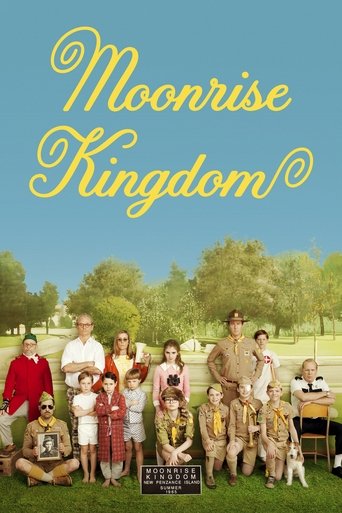
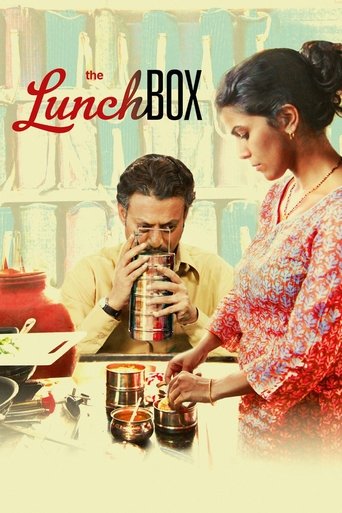
The pen pals of the pigeonhole come from every corner of the world. In Mary and Max, of 2009, by Adam Elliot, a lonely girl in Melbourne and a lonely man in New York write to each other for twenty years, in clay animation; in Moonrise Kingdom, of 2012, by Wes Anderson, two twelve-year-old pen pals run away together on a New England island; in The Lunchbox, of 2013, by Ritesh Batra, a lunch delivered to the wrong office in Mumbai starts an exchange of notes between a lonely housewife and a widower, played by Irrfan Khan. 84 Charing Cross Road, of 1987, with Anne Bancroft and Anthony Hopkins, is the true story of twenty years of letters between a New York writer and a London bookseller; the film of 2018 about a literary society on Guernsey takes a writer to the island of Guernsey after the war because of a letter from a stranger; and in Dear Frankie, of 2004, a mother writes letters to her deaf son in the name of a father who is supposedly at sea, until she must hire a stranger, played by Gerard Butler, to play the part.
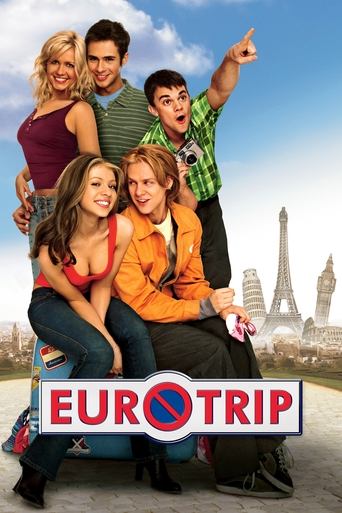
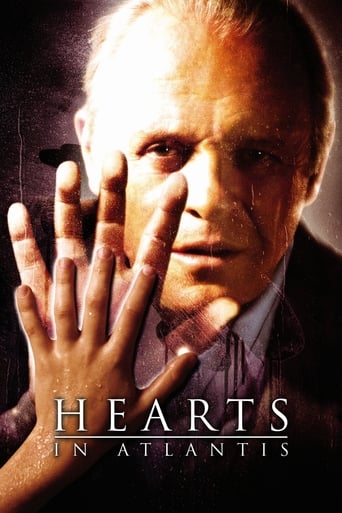
Two films of the pigeonhole send letters through time: the Korean Il Mare, of 2000, in which a woman and a man living two years apart write to each other through the mailbox of a seaside house, and its American remake, The Lake House, of 2006, with Sandra Bullock and Keanu Reeves. Juliet, Naked, of 2018, begins with an email to a forgotten rock star; the teen comedy of 2004 about an American student who flies to Europe to meet his German pen pal is here too, and Hearts in Atlantis, of 2001, from Stephen King, begins when a man receives an old baseball glove in the mail after the death of a childhood friend.
Letters that change lives
The pigeonhole Letters that change lives holds eighteen films from 1985 to 2021, and it is the best rated pigeonhole of the guide, with an average of 7.28 and four films above 8. Its most voted is Saving Private Ryan, of 1998, by Steven Spielberg, which begins with a typist who notices that three letters of condolence are going to the same mother, and turns on a letter read aloud by General George Marshall. Its best rated is the Japanese animated film of 2020 about Violet Evergarden, with an 8.3, the last part of the story of a former child soldier who becomes an Auto Memory Doll, a writer of letters for those who need help to find the words; the earlier film of 2019 carries an 8.1. Spielberg also made The Color Purple, of 1985, with Whoopi Goldberg, in which the letters of a beloved sister are hidden for years by a cruel husband.
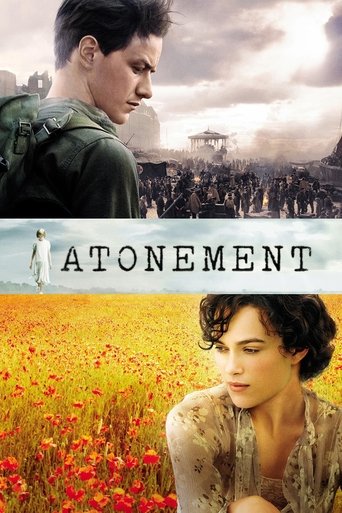
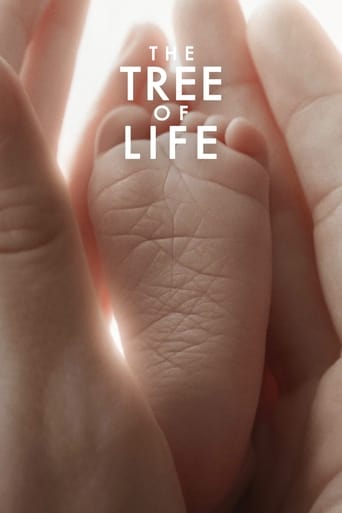
Some films of the pigeonhole turn on one fatal letter. In Atonement, of 2007, by Joe Wright, with Keira Knightley and James McAvoy, the wrong letter, delivered by a jealous girl, changes three lives; in Silver Linings Playbook, of 2012, a letter is the turning point of the story; in Dear Evan Hansen, of 2021, a letter a lonely boy wrote to himself is taken for the last words of a classmate; in The Sense of an Ending, of 2017, also by Ritesh Batra, a will brings back a diary and a past. In Billy Elliot, of 2000, the boy who wants to dance carries a letter from his late mother, and in The Tree of Life, of 2011, by Terrence Malick, a telegram brings a mother the news of the death of her son.
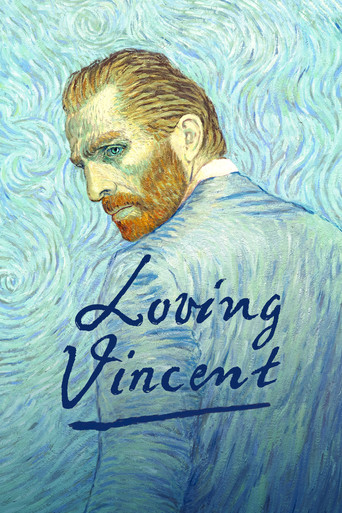
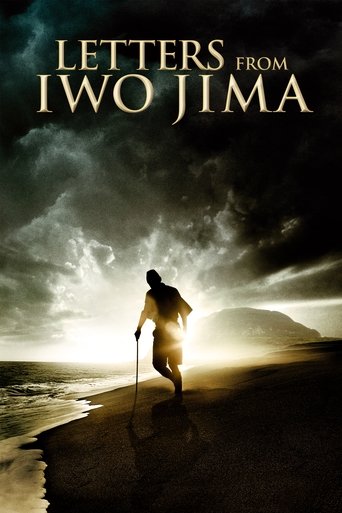
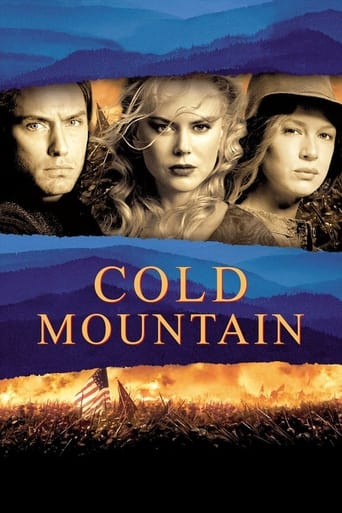
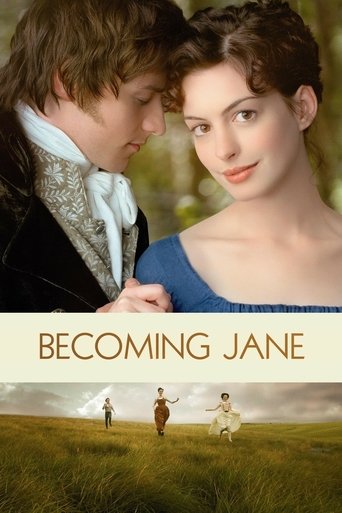
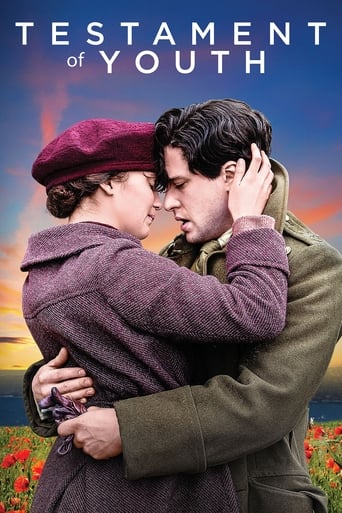
War letters and the letters of artists complete the pigeonhole. Letters from Iwo Jima, of 2006, by Clint Eastwood, begins with letters dug up from the volcanic sand, written by Japanese soldiers who knew they would die; in Cold Mountain, of 2003, by Anthony Minghella, a wounded Confederate soldier walks home to the woman whose letters kept him alive; Testament of Youth, of 2014, with Alicia Vikander, tells the story of Vera Brittain through her letters from the First World War. Loving Vincent, of 2017, entirely painted in oil in the style of Van Gogh, with an 8.0, sends a young man to deliver the last letter of Vincent to his brother; Bright Star, of 2009, by Jane Campion, tells the love of John Keats and Fanny Brawne through their letters; Immortal Beloved, of 1994, with Gary Oldman, searches for the woman to whom Beethoven wrote his most famous letter; Becoming Jane, of 2007, with Anne Hathaway, imagines the youth of Jane Austen; and in Ladies in Lavender, of 2004, two old sisters in Cornwall nurse a young violinist washed up on their beach.
The epistolary classics
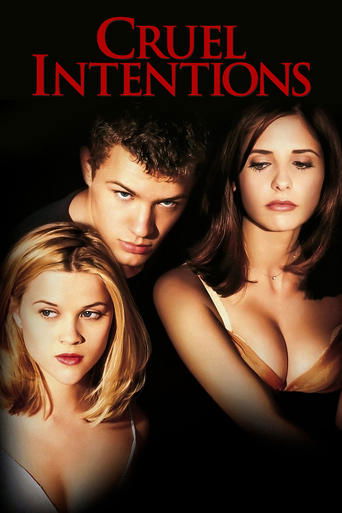
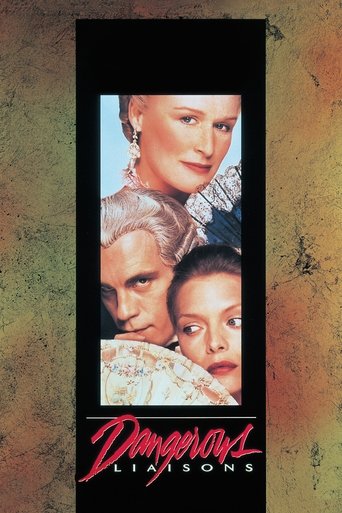
The pigeonhole The epistolary classics holds thirteen films from 1940 to 2016 adapted from novels and stories told in letters, or built around one. The great epistolary novel of the guide is Les Liaisons dangereuses, written by Choderlos de Laclos in 1782 as a series of letters between two aristocrats who play with the hearts of others, and it is here five times: in Paris in the 1950s, by Roger Vadim, with Jeanne Moreau, in 1959; as Dangerous Liaisons, of 1988, by Stephen Frears, with Glenn Close and John Malkovich, which won three Academy Awards; as Valmont, of 1989, by Miloš Forman, with Colin Firth and Annette Bening; as Cruel Intentions, of 1999, among rich teenagers in New York; and as Untold Scandal, of 2003, in Korea at the end of the eighteenth century. The guide Five dangerous liaisons compares them.
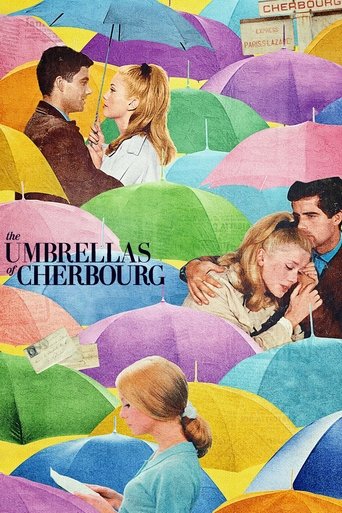
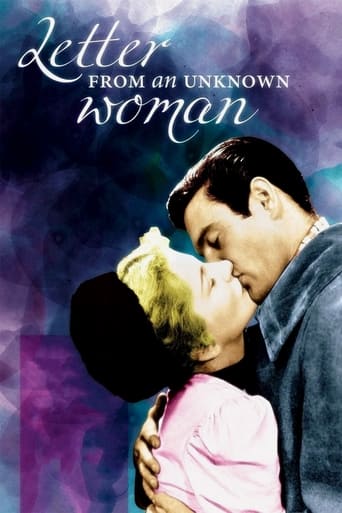
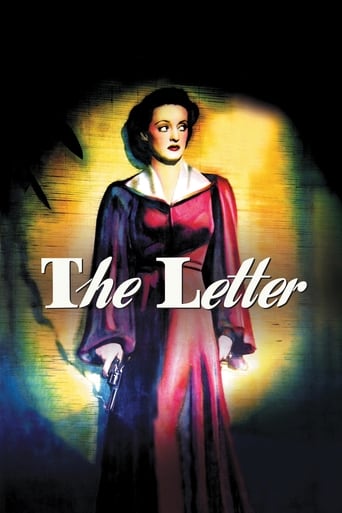
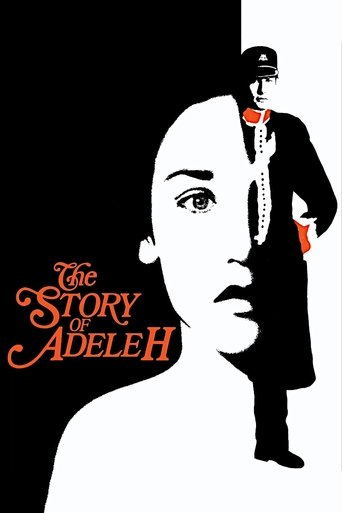
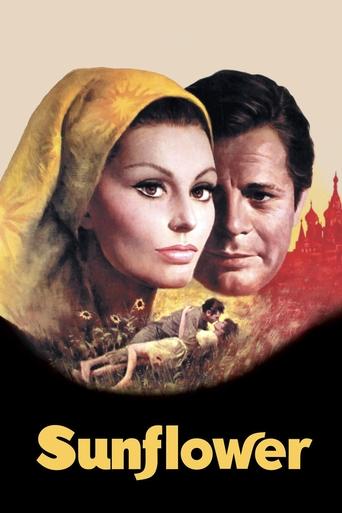
The most voted film of the pigeonhole is Bram Stoker's Dracula, of 1992, by Francis Ford Coppola, with Gary Oldman, from the novel told in letters, diaries and telegrams, and its best rated is Letter from an Unknown Woman, of 1948, by Max Ophüls, with Joan Fontaine and Louis Jourdan, with a 7.8: a pianist reads the letter of a woman who loved him all her life and whom he barely remembers. The Letter, of 1940, by William Wyler, with Bette Davis, turns on a letter that destroys a murderer's alibi; A Letter to Three Wives, of 1949, by Joseph L. Mankiewicz, begins with a letter announcing that the writer has run off with the husband of one of three friends, and won Academy Awards for its direction and screenplay. The Story of Adèle H., of 1975, by François Truffaut, with Isabelle Adjani as the daughter of Victor Hugo, follows a woman who writes endlessly to a man who has forgotten her; The Umbrellas of Cherbourg, of 1964, by Jacques Demy, with Catherine Deneuve, is a sung love story kept alive by letters from the war in Algeria, and Sunflower, of 1970, by Vittorio De Sica, with Sophia Loren, a search for a husband lost in Russia. The Whit Stillman comedy of 2016 with Kate Beckinsale adapts Lady Susan, the short novel in letters by Jane Austen.
Dark mail
The third family, Dark mail, opens the letters that should have stayed sealed: the anonymous note, the blackmail letter, the curse that passes from hand to hand, and the messages that arrive from impossible distances. It holds 42 films and about 159,000 votes, and the guide Dark mail sums it up.
Poison pens
The pigeonhole Poison pens holds fourteen mysteries from 1939 to 2024 in which a letter, a note or a telegram starts the trouble or solves it. Its most voted film is Zodiac, of 2007, by David Fincher, with Jake Gyllenhaal and Mark Ruffalo, the long hunt for the serial killer who taunted the police and the newspapers of San Francisco with letters and ciphers. Its best rated is Witness for the Prosecution, of 1957, by Billy Wilder, with Marlene Dietrich and Charles Laughton, with an 8.2, a courtroom drama from Agatha Christie in which a bundle of letters turns the trial upside down.
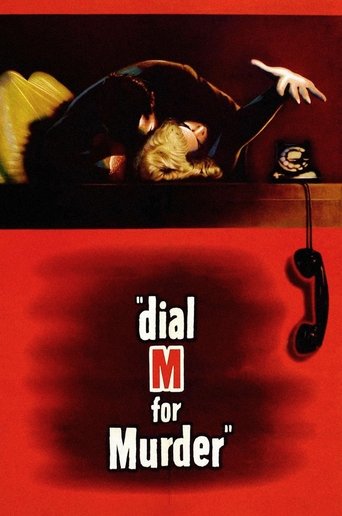
Alfred Hitchcock has three films in the pigeonhole. In Dial M for Murder, of 1954, with Ray Milland and Grace Kelly, an ex-tennis player who once stole a love letter of his wife plans the perfect murder, with an 8.0; in Shadow of a Doubt, of 1943, the film opens with a telegram announcing the visit of a charming uncle to his family in a small Californian town, where his niece slowly begins to suspect him; and in Suspicion, of 1941, Joan Fontaine comes to fear that her husband, Cary Grant, is a killer. Cary Grant returns in Charade, of 1963, by Stanley Donen, with Audrey Hepburn, a comedy thriller in which a fortune is hidden in plain sight on an envelope, in the form of three rare stamps.
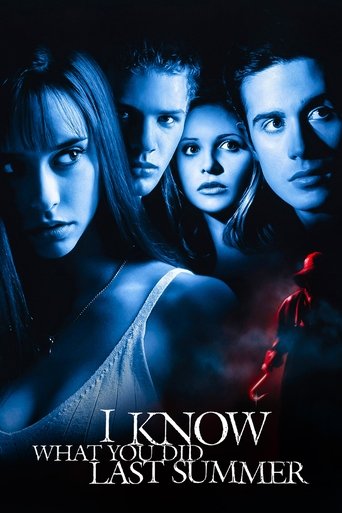
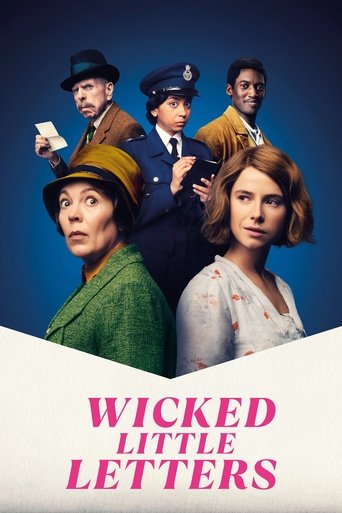
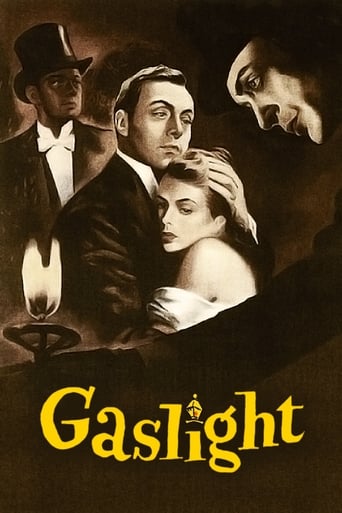
The poison-pen letter itself has its films. Le Corbeau, of 1943, by Henri-Georges Clouzot, follows a wave of anonymous letters signed The Raven that poisons a small French town; the British Poison Pen, of 1939, with Flora Robson, tells a similar story in an English village; and Wicked Little Letters, of 2024, with Olivia Colman and Jessie Buckley, is based on the real scandal of the obscene letters of Littlehampton in the 1920s. In The Big Sleep, of 1946, by Howard Hawks, Humphrey Bogart is hired to deal with a blackmailer; in Gaslight, of 1944, by George Cukor, a letter found by Ingrid Bergman is the first clue to the plot of her husband; in I Know What You Did Last Summer, of 1997, four teenagers receive a note that tells them their secret is known; and in the French thriller of 2006 by Guillaume Canet, with François Cluzet, a widower receives an email that seems to come from his murdered wife. Letters from a Killer, of 1998, with Patrick Swayze, completes it with a prisoner who writes to four women.
Chain letters and curses
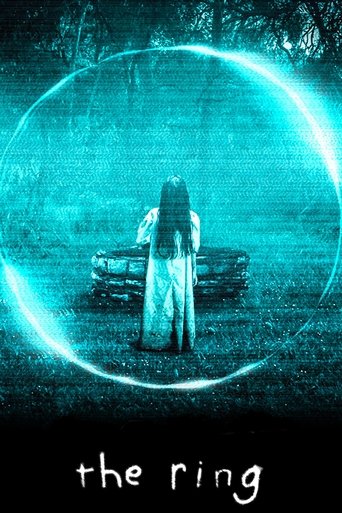
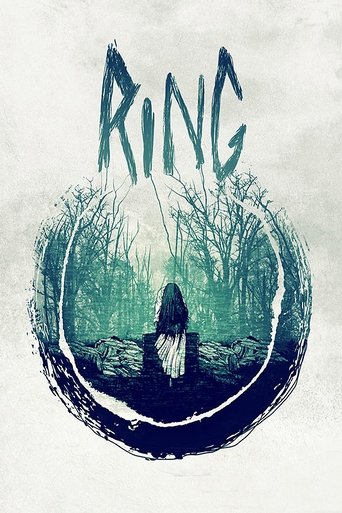
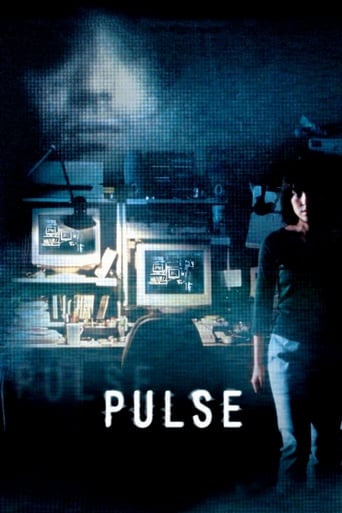
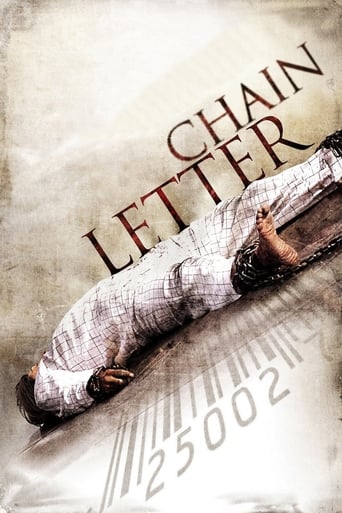
The pigeonhole Chain letters and curses holds twelve horror films from 1992 to 2022 built on the logic of the chain letter: a message that must be passed on, or else. The most literal is Chain Letter, of 2010, in which the teenagers who break a chain email are hunted one by one, the lowest rated film of the guide at 4.4. The most famous is the Japanese Ring, of 1998, by Hideo Nakata, a cursed videotape that kills the viewer seven days later unless a copy is passed to someone else, and its American remake, The Ring, of 2002, by Gore Verbinski, with Naomi Watts. Japan gives the pigeonhole two more messages of death: One Missed Call, of 2003, by Takashi Miike, in which the victims receive a voicemail from their own future, and Pulse, of 2001, by Kiyoshi Kurosawa, in which the spirits of the dead reach the living through the internet.
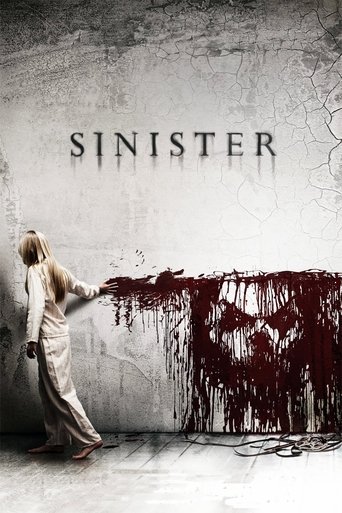
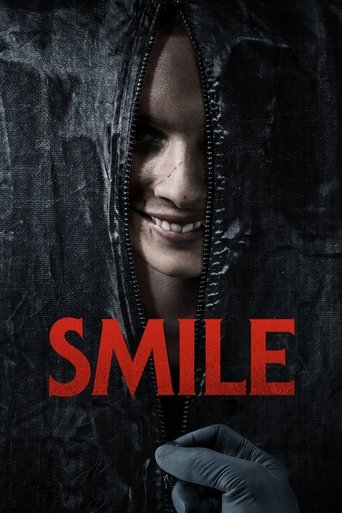
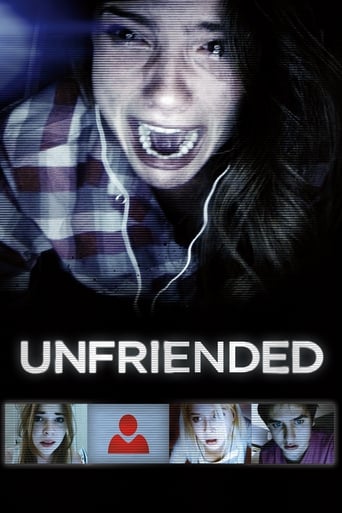
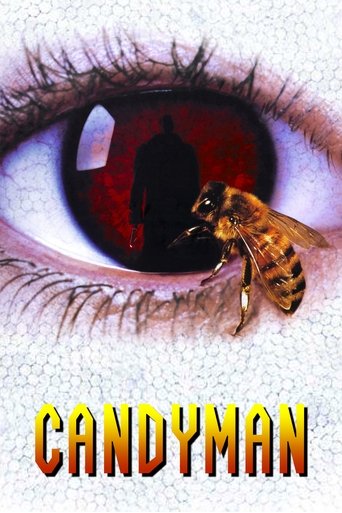
The American films pass their curses in other ways. In It Follows, of 2014, by David Robert Mitchell, the curse moves from lover to lover; in Smile, of 2022, it passes to whoever witnesses the last death; in Candyman, of 1992, it is enough to say a name five times in front of a mirror, and in The Bye Bye Man, of 2017, simply to think of a name. Sinister, of 2012, with Ethan Hawke, begins with a box of old home movies left in an attic; Unfriended, of 2014, takes place entirely on a computer screen during a video call between friends; and The Uninvited, of 2009, is the story of a girl who returns home from hospital to find that her father's new partner hides a terrible secret.
Messages from far away
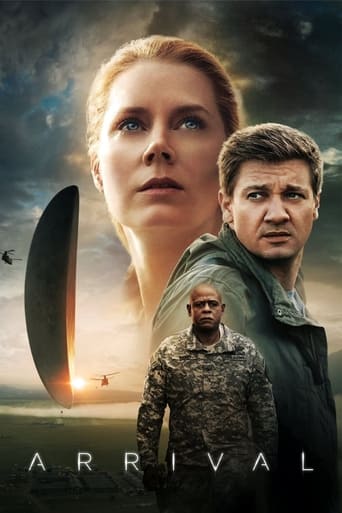
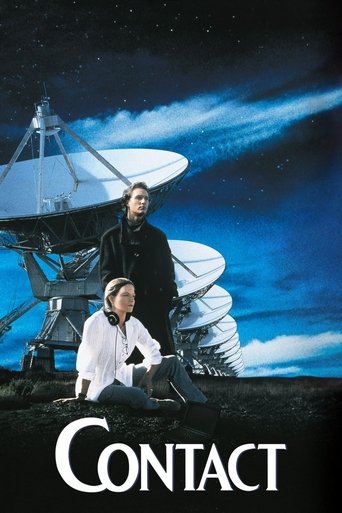
The pigeonhole Messages from far away holds sixteen films from 1947 to 2016, and it contains the most voted and best rated film of the guide: Interstellar, of 2014, by Christopher Nolan, with Matthew McConaughey, with about 41,500 votes and an 8.5, in which an astronaut receives years of video messages from his children in a few hours, and a message in Morse code crosses time on the hands of a watch. Arrival, of 2016, by Denis Villeneuve, with Amy Adams as a linguist who must decipher the language of the aliens who have landed on Earth, and Contact, of 1997, by Robert Zemeckis, with Jodie Foster as a scientist who receives a signal from the star Vega, are the other great messages from space.
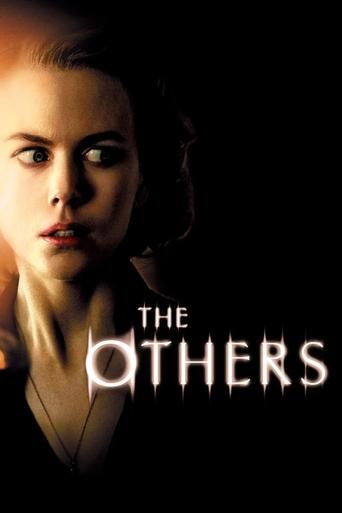
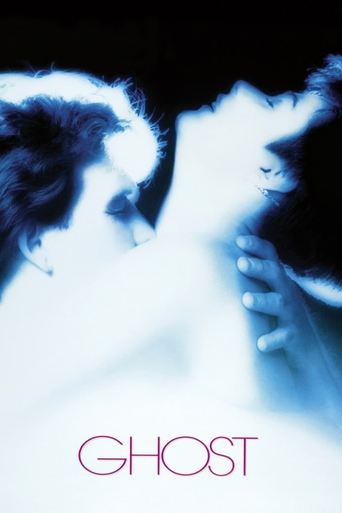
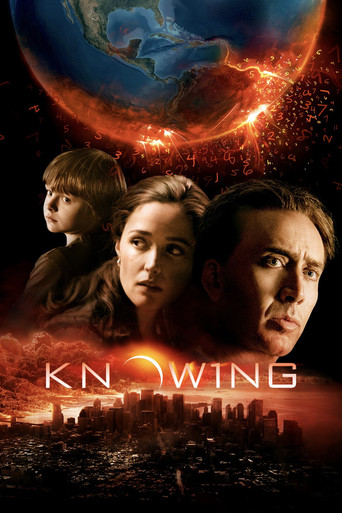
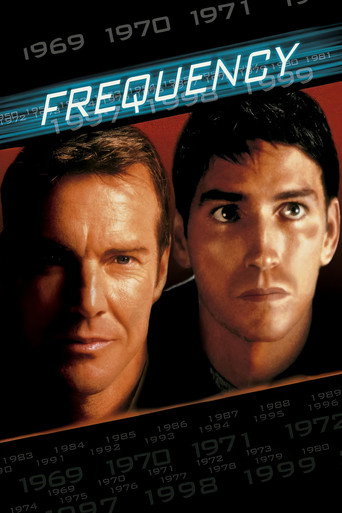
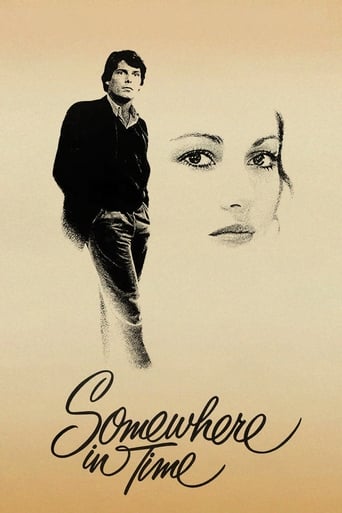
Some messages come from the past. In Frequency, of 2000, a son talks to his dead father through an old ham radio, thirty years apart; in Knowing, of 2009, with Nicolas Cage, a page of numbers buried in a school time capsule fifty years earlier predicts the disasters to come; in Somewhere in Time, of 1980, with Christopher Reeve and Jane Seymour, an old woman gives a young playwright a watch and four words that send him back to 1912. Others come from the dead: in Ghost, of 1990, Patrick Swayze reaches the woman he loves through a medium played by Whoopi Goldberg, and in The Others, of 2001, by Alejandro Amenábar, with Nicole Kidman, a family in a dark house begins to receive signs from the other side.
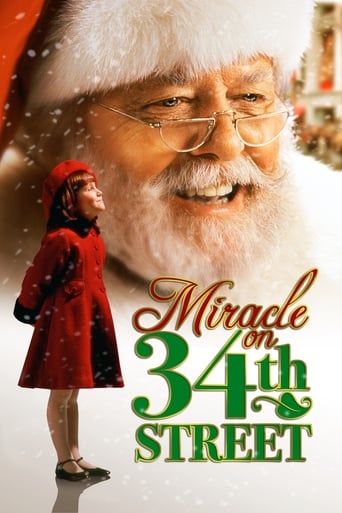
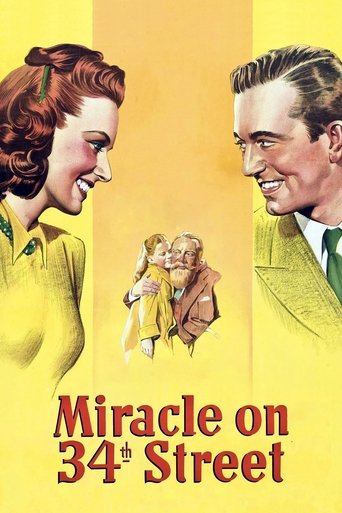
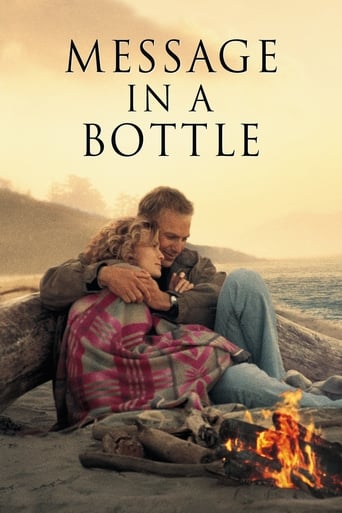
The message in a bottle is the oldest of all. In Message in a Bottle, of 1999, with Kevin Costner and Robin Wright, a journalist finds on a beach a love letter written by a widower; in A Conspiracy of Faith, of 2016, from the Danish crime novels of Jussi Adler-Olsen, a cry for help written in blood is found in a bottle years after it was thrown into the sea; and in The Land That Time Forgot, of 1974, the story itself is a manuscript found in a bottle. Nim's Island, of 2008, with Abigail Breslin and Jodie Foster, follows a girl on a remote island who exchanges emails with the author of her favourite adventure novels; The Fabulous World of Jules Verne, of 1958, by Karel Zeman, revives the engravings of the books of Verne. And Christmas has its own mail: in the original Miracle on 34th Street, of 1947, the post office delivers all its letters addressed to Santa Claus to the court, as proof that he exists, while the remake of 1994 keeps the trial and finds another proof; and Letters to Santa, of 2011, is a Polish Christmas comedy of several stories.
The mail through history
Taken together, the films of the guide tell a history of the mail. Pony Express rides with the riders who carried letters across the American West in 1860, and in Hidalgo a former dispatch rider of the cavalry remembers the last years of the frontier. The First World War is the war of letters: the runners of Gallipoli and 1917 carry orders through the battle, and the letters of Vera Brittain in Testament of Youth carry the grief of a whole generation. The scandal of Wicked Little Letters shakes an English seaside town in the 1920s, the shop of Budapest in The Shop Around the Corner lives on its pen pals on the eve of the war, and the Second World War brings the letters of the Japanese soldiers of Letters from Iwo Jima and the letter read by General Marshall in Saving Private Ryan.
After the war the mail changes speed. Jour de fête laughs at the dream of an American-style express post in a French village of 1949; The Courier carries secrets across the Iron Curtain in the early 1960s; Moonrise Kingdom puts two pen pals of 1965 on an island; and 84 Charing Cross Road follows twenty years of transatlantic letters from 1949 to 1969. Then come the couriers on bicycles and motorbikes of the 1980s to the 2000s, from Quicksilver to Beijing Bicycle, the email romance of 1998 with Tom Hanks and Meg Ryan, the video calls and voicemails of the horror films of the 2000s and 2010s, the delivery drivers of the gig economy in Sorry We Missed You, and the man of Her who writes handwritten letters for others in a future where few people seem to have time for them. The guide A history of the mail puts the films in order.
The directors and the stars
Alfred Hitchcock is the director with the most films in the guide, three, all in the poison-pen pigeonhole: Suspicion, Shadow of a Doubt and Dial M for Murder. Steven Spielberg has two, Saving Private Ryan and The Color Purple; Robert Zemeckis two, Cast Away and Contact; Clint Eastwood two, The Bridges of Madison County and Letters from Iwo Jima; Joe Wright two, Atonement and the musical Cyrano; Nora Ephron two, both with Tom Hanks and Meg Ryan; Jacques Tati two, the short and the feature about his village postman; Ritesh Batra two, The Lunchbox and The Sense of an Ending; and Mike Newell two, Love in the Time of Cholera and the Guernsey film. Bernard Rose links two very different pigeonholes, with Candyman among the curses and Immortal Beloved among the letters that change lives.
Tom Hanks is the great letter writer of the guide, with four films: the FedEx engineer of Cast Away, the captain of Saving Private Ryan and the two romances of Nora Ephron. Jason Statham appears in the three Transporter films; Gary Oldman in Bram Stoker's Dracula, Immortal Beloved and the courier thriller of 2019; Anthony Hopkins in 84 Charing Cross Road, Hearts in Atlantis and Dracula; and Keanu Reeves in Johnny Mnemonic, The Lake House and Dracula. Cary Grant receives the mail of two thrillers, Suspicion and Charade; Jodie Foster and Matthew McConaughey meet in Contact, and each returns, Foster in Nim's Island and McConaughey in Interstellar; and Patrick Swayze and Whoopi Goldberg share Ghost, while Swayze writes from prison in Letters from a Killer and Goldberg reads the hidden letters of The Color Purple. The guide The directors and stars lists them all.
World mail
Thirty-one films of the guide are in other languages than English, and the collection World mail gathers them. French is the language of eleven, from the comedies of Jacques Tati and Dany Boon to the Paris version of Les Liaisons dangereuses by Roger Vadim; Japanese of seven, from the flying witch of Hayao Miyazaki and the two Violet Evergarden films to the curses of Ring, One Missed Call and Pulse, and the letters of Love Letter. Italy gives the guide the island postman of 1994, the remake of Welcome to the Sticks and the search of Sunflower; Korea Il Mare and Untold Scandal; China the couriers of Beijing Bicycle and Suzhou River; Poland two Christmas films; Brazil Central Station; Denmark A Conspiracy of Faith; Czechoslovakia The Fabulous World of Jules Verne; and India The Lunchbox, the only film of the guide in Hindi. The guide World mail sails through them.
Postman in figures
The 150 films of the guide carry about 435,000 votes on TMDB, with an average rating of 6.92, and eleven of them reach 8 or more; the collection Rated 7.5 or more gathers the 39 films rated 7.5 or more, best first. The most voted are Interstellar, Arrival, Saving Private Ryan, Spider-Man 2, Her and 1917. Nineteen films were made before 1960, and the collection Before 1960 lists them in order, from Poison Pen and The Shop Around the Corner to The Fabulous World of Jules Verne. Together the films last about 16,400 minutes, more than 270 hours; the longest is the post-apocalyptic postman of Kevin Costner, at 178 minutes, followed by Interstellar and Saving Private Ryan, at 169, and the shortest is the Tati short of 1946, at sixteen minutes. The guide The figures gathers every number.
Where to begin
For a first delivery, open one envelope from each family: Klaus or 1917 for the carriers, The Shop Around the Corner or Central Station for the letters, and Interstellar or Dial M for Murder for the dark mail. For a romantic evening, try a double bill of two ages of the same story, The Shop Around the Corner and the email remake of 1998, or of two versions of Cyrano, the French one with Depardieu and Roxanne with Steve Martin. For a rainy weekend, the five versions of Les Liaisons dangereuses make a marathon of wicked letters, from Paris in 1959 to Korea in 2003. For a family evening, Klaus, Storks and the flying witch of Miyazaki deliver joy to all ages, and for Christmas, the original Miracle on 34th Street of 1947 ends with the most famous delivery of letters in the history of cinema.
How to use Postman
The home page opens with the introduction on its sheet of letter paper and then the sorting office, a wooden board with ten dark slots, one per pigeonhole, each showing its family, its name and its number of films; a slot leads to the row of that pigeonhole further down. Each row is a sheet of paper with a small postmark before its title and a red Open the bag button that opens the whole pigeonhole. The posters are framed like stamps, with the TMDB rating in a navy label, the year in a red postmark and the tag of the pigeonhole at the bottom, and under each poster come the first genre and the running time. The menu at the top leads to the three families, and the search box finds any film by its title; the guide Search tips explains how.
The film page has the English synopsis, the cast, the director, the genres and the release date. The Watch now button opens the film on JustWatch, which shows the services that offer it in your country, and the button Add to My List keeps it in My list, stored in your browser, like a letter kept in a drawer. The guide How to use Postman explains each part, and the guide The Watch now button explains how JustWatch works.
Questions
What is Postman
An English guide to 150 films of mail, letters and messages, in ten pigeonholes and three families.
How were the films chosen
By hand, from the TMDB films tagged with keywords of the mail, such as postman, courier, letter, pen pals and message in a bottle, keeping the films in which the mail matters to the story.
Which film has the most votes
Interstellar, with about 41,500 votes.
Which film is the best rated
Interstellar, with an 8.5.
Which is the oldest film
Poison Pen, a British film of 1939 about anonymous letters in a village.
Which is the longest film
The Postman of 1997, by Kevin Costner, with 178 minutes.
Which director has the most films
Alfred Hitchcock, with three.
Which actor appears most often
Tom Hanks, with four films.
Where can I watch the films
The Watch now button opens each film on JustWatch, which shows the services that offer it in your country.
Where is My list kept
In your browser, on the device where you create it.
